
The best way to keep an Edison office cleaner through fall is to focus on shared spaces first: entrances, restrooms, breakrooms, conference rooms, common touchpoints, and the floors connecting them. Those areas see the most people, accumulate mess fastest, and shape how the entire workplace feels.
As summer schedules end and offices return to fuller routines, occupancy and meeting traffic can rise. A useful cleaning plan should respond to how people actually move through the building instead of giving every room the same level of attention.
Visitors form an opinion before they ever reach a conference room. Entry glass, floor mats, reception counters, and the first stretch of flooring need regular attention because fingerprints, grit, and outdoor debris become noticeable quickly.
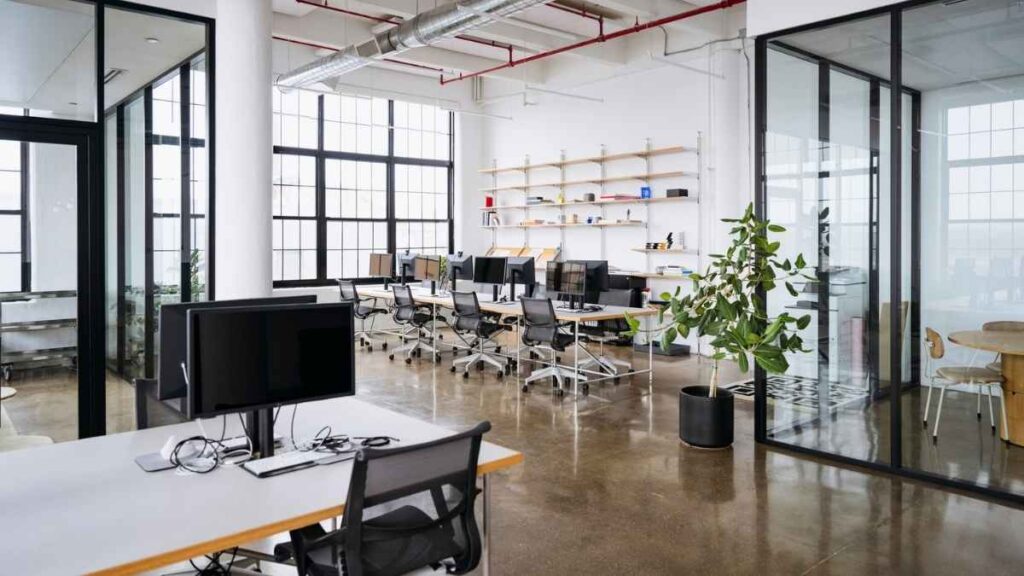
Focusing on these entryway priorities keeps front-of-house areas sharp:
- Clean entry glass sidelights and door handles to remove fingerprints.
- Vacuum and maintain entrance floor mats so they continue trapping dirt.
- Remove visible grit and shoe debris from lobby floors.
- Wipe reception desk surfaces and counter edges.
- Empty nearby trash bins before they become visibly full.
Taking a focused approach to commercial cleaning in Edison keeps front-of-house areas ready for clients without wasting effort on low-traffic back rooms.
Treat Breakrooms as High-Use Workspaces
Breakrooms combine food preparation, shared appliances, spills, trash, and repeated hand contact. The refrigerator door handle and microwave keypad usually need attention much more often than an unused conference table.
Clean sink areas, dining tables, appliance touchpoints, cabinet pulls, and the flooring near trash or beverage stations. A simple midday check can prevent small spills from becoming a lasting negative impression.
Restrooms Need Replenishment Plus Cleaning
A restroom can appear neglected simply because supplies are running low, even if the surfaces were cleaned earlier in the day. Build routine checks for soap, paper towels, toilet tissue, trash levels, water around sinks, and visible floor debris into the daily workflow.
Facilities with heavier staff or visitor traffic may need quick midday inspections between scheduled cleaning visits.
Conference Rooms Need a Reset After Use
Conference rooms accumulate fingerprints, coffee cups, crumbs, loose papers, and shifted chairs very quickly. After high-use meetings, reset the table, chairs, shared AV controls, and visible surfaces so the next group enters a clean, professional space.
Match Floor Care to Traffic
Main corridors, reception areas, and pathways leading to restrooms usually need more frequent care than private offices. Always remove dry grit before doing any damp cleaning so the floor does not develop streaks or muddy residue.
Create a Defined Office Cleaning Standard
Structuring a reliable office cleaning service works best when the plan clearly identifies what must happen every visit and what gets checked periodically. That prevents high-touch areas, corners, or shared-room details from being handled inconsistently.
Frequently Asked Questions
Which office areas should be cleaned most often?
Entrances, restrooms, breakrooms, high-touch points, and heavily used floors usually need the most frequent attention.
How often should conference rooms be reset?
Base it on use. A room hosting several meetings a day may need quick resets between groups, while a rarely used room needs much less attention.
What makes a breakroom look dirty fastest?
Food residue, overflowing trash, sink buildup, appliance fingerprints, and floor debris are usually the first visible problems.
How do we know whether our cleaning schedule is working?
If visible mess routinely appears before the next service, the frequency or task mix may not match actual building traffic.
Keep Shared Spaces Ready for People
A clean office is less about polishing every square foot equally and more about staying ahead of the spaces everyone shares. If your Edison workplace needs a more consistent plan, contact us and Eclean solutions can help build a schedule around how your facility operates.